Visual Uplink v4.2
Igneous Rocks
Learn about igneous rocks, their formation from molten magma, types, and common examples like granite and basalt.
Interactive
Occurrence Map
Secondary Variants
Igneous Rocks
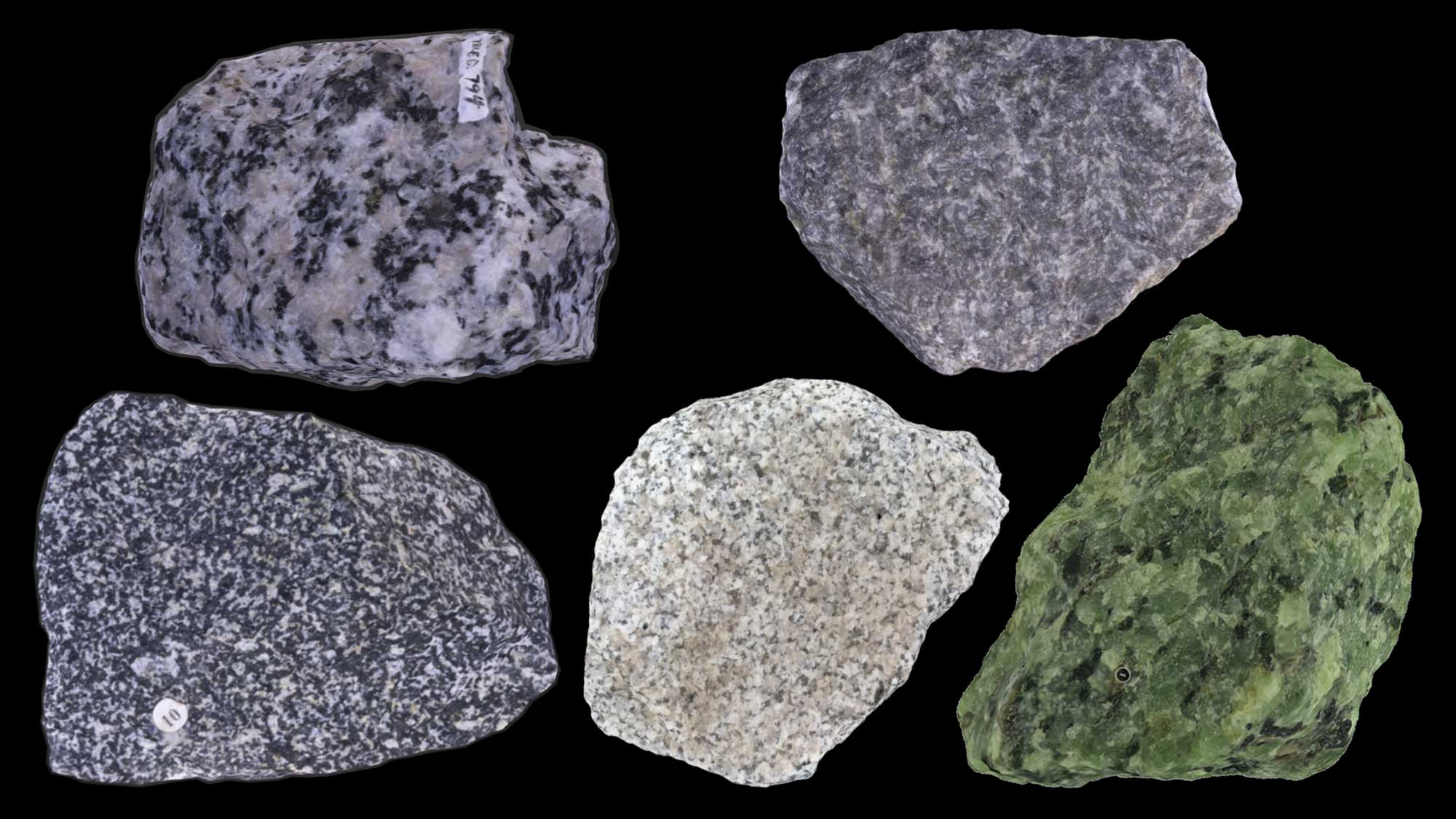
Igneous rocks are formed from the cooling and solidification of molten rock, either magma beneath the Earth's surface or lava erupted from a volcano. They are fundamental to understanding the Earth's crust and geology.
Types of Igneous Rocks
Intrusive (Plutonic)
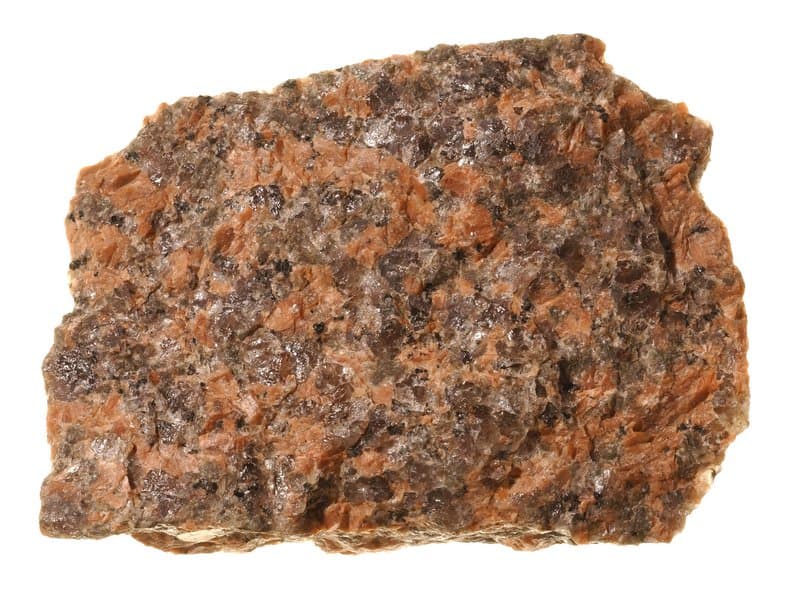
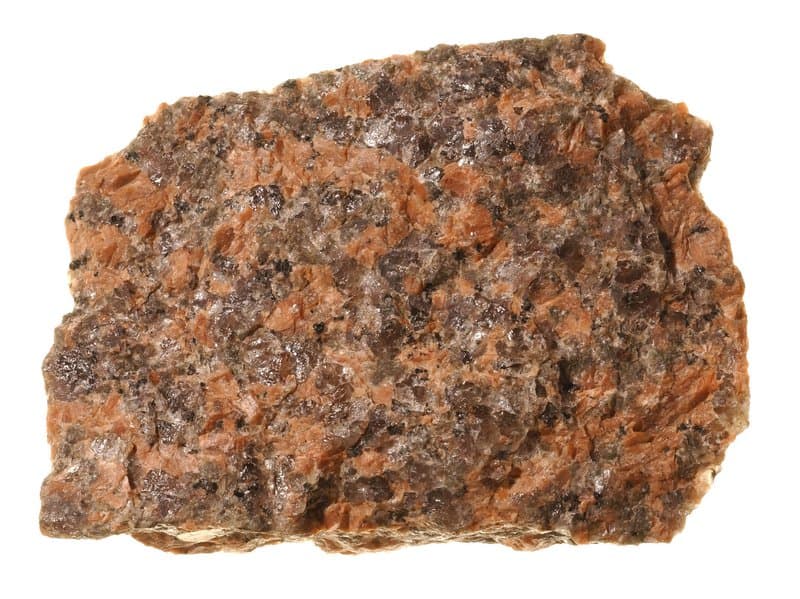
Formed beneath the Earth's surface where magma cools slowly, resulting in coarse-grained textures. Example: Granite.
Extrusive (Volcanic)
Formed on the Earth's surface when lava cools quickly, producing fine-grained or glassy textures. Example: Basalt.
Igneous rocks make up a significant portion of the Earth's crust and are often used in construction and decorative stonework due to their durability and aesthetic patterns.